What Gen Zs Want in 2026: Heavy Wool, Scented Scarves, and "Human Glitches"
Author:sana
|
Released:November 12, 2025
It’s 2026, and fashion is moving away from the screen and back into the real world. For years, we dressed for the "fit pic"—focusing on what looked sharp in a thumbnail or a TikTok transition. But lately, things have shifted. Gen Z is ditching the slick, digital look for clothes you can actually feel. From heavy utility gear to fabrics that smell like a forest, this year is all about the physical experience of getting dressed.
Sensory Fashion: Trading Clout for Touch
Fashion used to be performative. The main goal was looking good on a six-inch screen. Now, the question is different: How does this feel when I close my eyes? People are trading visual clout for tactile feedback. Those shiny synthetics from a few years ago feel like plastic wrap now. We’re moving away from the "smooth" look of the algorithm and back toward the grit of reality.
Clothing as a Physical Shield
This shift has made "Weighted Fabrics" a massive trend. Think of it like a weighted blanket you can wear to the store. I recently picked up a boiled wool coat that’s so dense it’s actually a bit hard to move in. It’s great. It puts a steady, calming pressure on my shoulders. It feels like wearing armor.
In a world full of pings and digital noise, physical weight is a way to cope. Remember when everyone wanted "weightless" activewear? That’s over. Now, we want to feel the garment. We want the fabric to press back against our skin. It reminds us we’re actually there.
It’s a psychological anchor. You put on heavy layers or stiff denim, and you feel secure. The data shows this isn't just a vibe—searches for "stress-relief textiles" are way up as people look for ways to handle anxiety. We aren't just dressing for style; we’re dressing to feel grounded. When the digital world makes you feel disconnected, wearing five pounds of raw cotton reminds you that you have a body.
Scented Textiles
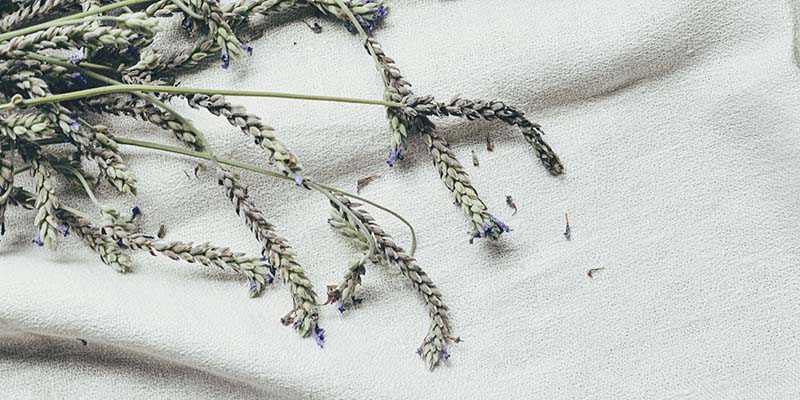
Things are getting even more personal with olfactory textiles. What started as a niche experiment is now becoming a wardrobe staple. Designers are putting micro-capsules into the fibers. When your sleeve brushes against a table, the friction lets out a scent. It’s not cheap perfume; it’s grounding smells like damp earth, cedar, or lavender.
It sounds like a gimmick until you try it. I have a scarf that smells like burnt wood whenever I move it around. It’s basically wellness woven into the fabric. In a crowded, sterile city, that tiny bubble of scent is a lifesaver. It hits the brain's emotional center instantly, helping to calm your nerves without you having to think about it.
This tech is a way to reclaim our personal space. Since digital life has no smell, we’re bringing scent back into our daily routine. It’s like carrying a portable sanctuary that blocks out the sterile world.
The Grounding Effect
It all comes down to being grounded. Look at what you touch all day: smooth glass screens, smooth plastic keys, smooth steering wheels. Our sense of touch is bored. That’s why rough linen and pilled wool feel so fresh right now.
We’re hungry for things that aren't perfect. We want fabrics that feel a little gritty or uneven. The industry calls it "texture," but it’s really a reality check. Smooth feels fake; rough feels real. And right now, we need real more than ever.
This is a way to reconnect with the world. When I run my hand over a raw silk shirt, the bumps in the thread tell me it’s natural. It pulls me out of the screen and back into the moment. We’re dressing to remind ourselves that we aren't just heads living in a digital space.
Anti-AI Aesthetics: Choosing Human Flaws
We’ve talked about the physical grit of fabrics. Now, let’s look at the visuals. For the last few years, everyone chased that high-gloss, "metaverse" look. Everything was smooth—too smooth. Looking at a feed full of AI-generated images now feels draining. It’s "uncanny valley" burnout. We’re finally craving the visual version of a scratch on a vinyl record.
The Pushback Against Perfection
In 2026, perfection is cheap. Anyone can type a prompt and get a flawlessly symmetrical dress. Because it's so easy to make, that "perfect" look has lost its charm. If a machine can make it in seconds, it feels mass-produced and soulless. The new status symbol isn't precision; it’s the mistake.
We’re seeing hemlines that aren't straight and knits that look like they were dropped. Designers are intentionally making "human glitches." It’s an irony that works: we used to hide stray threads, but now brands like Acne Studios are highlighting them. They call it "curated decay."
It shows that a person was actually there, working with the material. It feels real in a world full of synthetic smoothness. We want to see the evidence of creation. A perfect seam feels like a lie; a crooked one tells a story.
Analog Textures and Grain
This shift shows up in prints and textures, too. Visuals aren't sharp or clean anymore. They look like old photocopies or stills from a grainy VHS tape. It’s a "bad reception" look. Designers are trying to bring back the warmth of old-school mistakes.
Digital crispness feels cold. We want the fuzz and the visual noise that proves an object exists in the physical world. It isn’t just about being "retro." It’s a way to feel grounded. When I see a jacket that looks like it’s been bleached unevenly by the sun, it feels like it has a history.
It anchors you. Compare that to a digital render. One feels like a memory; the other feels like a screensaver. People are wearing clothes that look like they’ve lived a life before even hitting the racks.

Hand-Stitched Stories
Visible mending is also making a big comeback. Sashiko stitching isn't just for fixing holes anymore; it’s about the narrative. A patch isn't a sign of being broke; it’s a badge of honor. It says the garment has been placed. You can't code that kind of sentimental value.
An uneven stitch is like a fingerprint. Industry reports for 2026 suggest that "unrepeatable flaws" are becoming the new definition of luxury. We’re paying more for the guarantee that something can’t be perfectly copied.
If an AI can copy it pixel-for-pixel, it loses its value. Real luxury is now about things that don't scale—the chaotic beauty of a human mistake. We’re wearing our "brokenness" on our sleeves, and it feels a lot more honest.
The Big Style Shift: Maximalism vs. The New Minimalism
The era of a single "It Girl" look is over. Walking through East London or scrolling TikTok, you realize the algorithm has split. We aren't seeing a normal trend cycle anymore; it’s a total collision. It’s loud maximalism fighting a messy, distorted version of minimalism. It is glorious chaos.
The End of "Quiet Luxury"
Let’s be honest: everyone got tired of pretending to like beige cashmere. "Quiet Luxury" felt like a uniform for people afraid of being noticed. The pushback against it is aggressive. It isn’t just loud; it’s deafening. Welcome to "Cyber-Clowncore."
Think oversized jester collars, radioactive greens, and digital prints that look like a glitched computer screen. It’s "ugly-cool" on steroids. This is a flat-out rejection of the polished, curated look. The goal isn't to look rich anymore; it's to look interesting. Why blend in when the world feels this chaotic?
The goal is to look like you raided a costume shop in the year 3000. It is a visual scream against the boring, "greige" interiors of the last few years. Silence in fashion is officially boring. We want clothes to start conversations, even if those conversations are a bit confused.
The 2010s Tumblr Comeback
On the other side of the futurism is the messy past. The 2010s are back. But this isn't the cute, polished version; it’s the grimy side of Tumblr. It’s "Indie Sleaze" brought back to life. We’re seeing the return of the skinny scarf—useless, flimsy, and somehow essential.
The makeup says it all. The "clean girl" look is gone. In 2026, if your eyeliner isn't smudged halfway down your cheek by 2 PM, you aren't doing it right. It’s a celebration of a messy night out. It’s about looking like you actually had fun. Data shows searches for "2010s grunge" are spiking, proving we miss the uncurated life. This look says you’re too busy living to check a mirror.
Workwear Meets the Absurd
Then there are the silhouette wars. This is where things get truly weird. We’re seeing "Corporatecore" staples—standard quarter-zips and pleated slacks—mixed with surreal proportions. It’s utility meeting absurdity.
I recently saw someone wearing a stiff, functional Cos jacket paired with balloon pants that took up the entire sidewalk. It looks architectural but also totally unserious. Even with the weird shapes, the search volume for functional brands is skyrocketing (+696%).
We want structure, but only if we can mess with the volume. In 2026, you can be a corporate employee from the waist up and a cyberpunk raver from the waist down.

Circular Fashion: The Anti-Algorithm Wardrobe
We have to talk about sustainability. Forget the "buy an organic cotton tote" vibe from five years ago. That feels stale. By 2026, the focus has shifted from what we buy to how we act. It isn't about buying "better" things; it’s about working with what we already own.
Materials That Live and Age
This starts with the fabrics. We’re seeing a rise in bio-materials that feel alive, like algae dyes that change color based on your body heat or leather grown from mushrooms. It’s fashion that acts like a living thing.
Unlike the plastic-smooth perfection of old synthetics, these materials have grit. They age, crack, and warp. They fit the "chaos" look because nature is messy. We’re finally letting our clothes age with us.
This leads to active upcycling. Buying vintage is just the starting point now. The real trend is changing the garment. Visible mending—like using neon thread to fix old denim—is a badge of honor. It shows you have the skills to keep a piece of clothing alive.
The "No-Buy" Flex
The "No-Buy" movement has become a real status symbol. In 2026, the ultimate flex is proving you didn't spend any money. "Thrift-status" is real. Wearing a jacket that looks like it has survived a war implies you have a history.
It suggests you are too busy living in the real world to scroll through a shopping app. Brands are trying to keep up. Since they can't force new products on a generation that thinks "new" is cringe, they are opening in-house repair services. They are trying to make longevity profitable. If they can't sell you a new coat, they’ll sell you the patch to fix the old one.
Tech-Enabled Truth
Ironically, high-tech tools are helping this analog shift. Digital IDs are becoming standard. A quick QR scan shows a garment's whole history, from the farm to the store. It’s real transparency that cuts through the marketing.
It turns a piece of clothing into an item with a traceable story. It proves it isn't just disposable fast-fashion. We want to know who made it and where it came from. This data doesn't make us feel more detached; it connects us. It gives the clothes a soul. In 2026, not knowing where your clothes came from is just tacky.
Your Analog Assignment
If you look at 2026 as a whole, the theme is clear. We are rejecting the polished, sanitized look of the digital age. We are tired of filters. We want clothes that feel real, smell like memories, and carry some weight. We are trading pixels for reality.
So, don't go buy something new to fit this trend. That misses the point. Go check your closet right now. Find the piece with the roughest texture or a loose hem. Fix it, or mess it up further. Create something that only exists in the physical world. Touch grass, and touch your clothes.
You May Like
Fashion Trends
Maximalist Outfits: How To Embrace Bold Colors And Patterns
Fashion Trends
Quiet Luxury On a Budget: 7 Affordable Brands That Look High-End
Apparel & Shoes
Best Smart Casual Shoes To Pair With Modern Office Outfits
Apparel & Shoes
Top 10 Ballet Flats Every Fashion Lover Must Try
Design
How to Design Clothes That Actually Sell Themselves